
By Attorneys Hartman, Chartered, New Jersey DWI Defense Lawyers

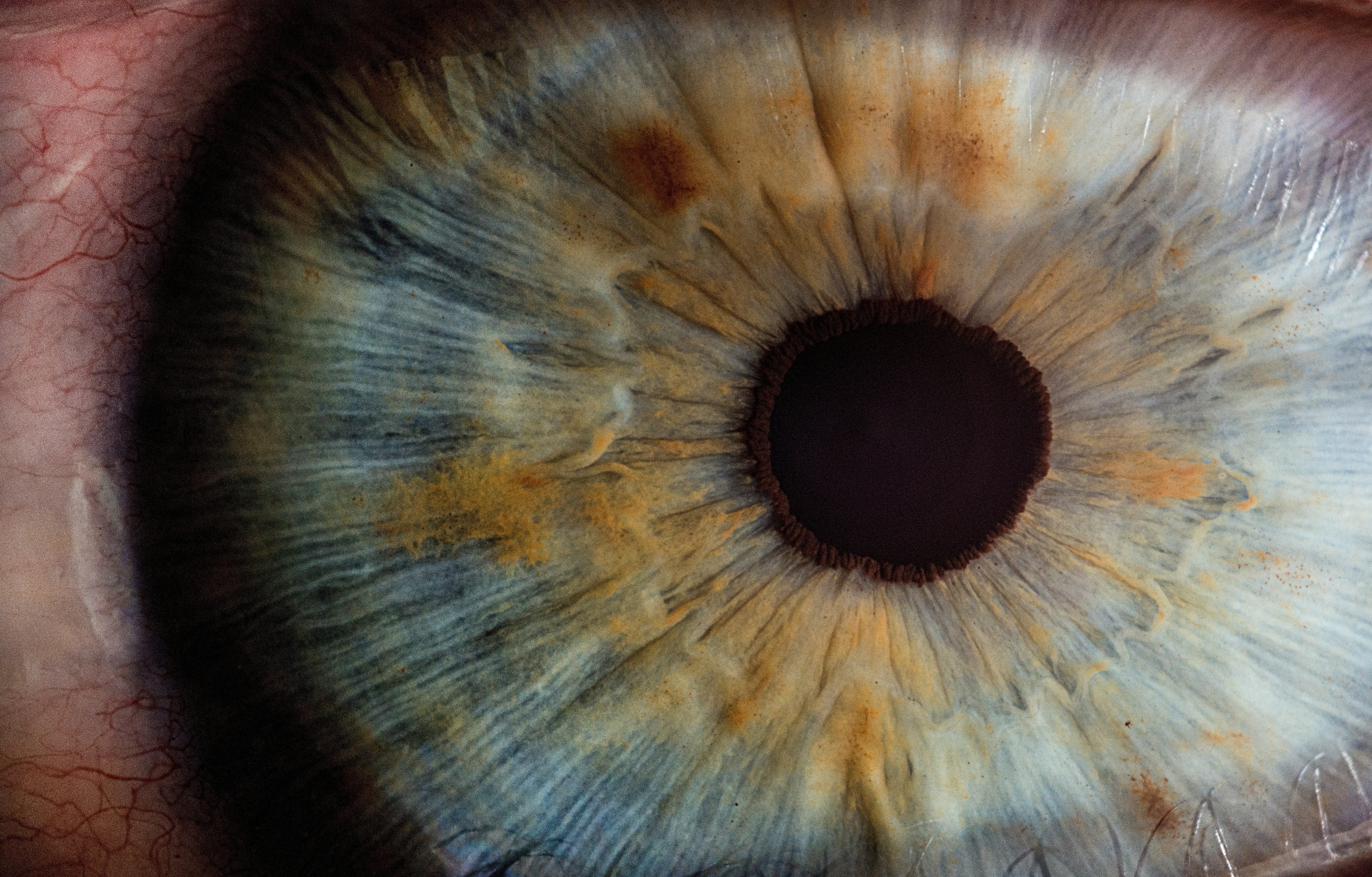
A New Jersey DWI field sobriety test can feel stressful, confusing, and unfair, especially if you already have a vision problem. Maybe you wear glasses or contacts. Maybe bright police lights made it hard to focus. Maybe an eye condition affected your balance, tracking, or depth perception. However, once an officer writes that you failed a field sobriety test, that observation may become part of the case against you.
Yes, a vision problem can affect a New Jersey DWI field sobriety test. In fact, several roadside tests depend on visual tracking, coordination, balance, and the ability to follow instructions under pressure. Therefore, if your eyesight, eye condition, medication, or physical limitations affected your performance, that information may matter when reviewing the charge.
If you were arrested for DWI in Moorestown, Burlington County, Camden County, Gloucester County, or elsewhere in South Jersey, Attorneys Hartman, Chartered can review what happened during the stop. Call 856-393-6073 or use the online contact form to schedule a free consultation and discuss the details of your case.
New Jersey DWI Field Sobriety Test: Why Vision Problems May Matter
Police officers often use field sobriety tests during DWI investigations because they want to look for signs of impairment before making an arrest. However, these tests do not happen in a controlled medical setting. Instead, they often happen on the side of a road, near traffic, under flashing lights, and during a highly stressful encounter.
That matters because a person with a vision problem may struggle with certain parts of the test for reasons that have nothing to do with alcohol or drugs. For example, a driver may have trouble tracking a stimulus, keeping balance, judging distance, or standing still while focusing on instructions.
Additionally, vision problems may affect how an officer interprets the driver’s performance. A person who blinks often, moves their head, misses a visual cue, or loses balance may appear impaired. However, those same signs may connect to poor eyesight, eye strain, medical issues, fatigue, or environmental conditions.
New Jersey law makes it unlawful to operate a motor vehicle while under the influence of alcohol, narcotics, hallucinogenic drugs, habit-producing drugs, or with a blood alcohol concentration of 0.08 percent or more. Because a DWI charge can carry serious consequences, every part of the investigation deserves careful review, including the roadside tests.
Similar Post: Can a DUI or DWI in New Jersey Affect My Professional License?
Vision Problems And The HGN Test: How Eye Tracking Can Become An Issue
One common field sobriety test is the horizontal gaze nystagmus test, often called the HGN test. During this test, an officer usually asks the driver to follow a stimulus, such as a pen or finger, with their eyes while keeping their head still. The officer then looks for certain eye movements.
The National Highway Traffic Safety Administration recognizes the HGN test as part of the standardized field sobriety test battery, along with the walk-and-turn test and the one-leg stand test. NHTSA materials explain that HGN focuses on involuntary jerking of the eyes and that the standardized test battery was developed through NHTSA-sponsored research into DWI detection.
However, the HGN test depends heavily on the eyes. Therefore, vision-related issues can raise questions, including:
- Eye conditions: Nystagmus, lazy eye, eye muscle disorders, or prior eye injuries may affect movement or tracking
- Corrective lenses: Glasses or contacts may influence focus, glare sensitivity, dryness, or comfort during the test
- Light sensitivity: Flashing patrol lights, headlights, and darkness may make tracking harder
- Fatigue or strain: Tired eyes may make it difficult to follow a moving object smoothly
- Medical history: Neurological conditions, inner ear problems, or certain medications may affect eye movement or balance
These issues do not automatically defeat a DWI charge. However, they may create important context. As a result, the defense may need to examine whether the officer properly administered the test, whether the officer accounted for known limitations, and whether the officer drew unsupported conclusions from the results.
Poor Eyesight During A DWI Stop: Can Glasses Or Contacts Affect The Test?
Glasses and contacts can also play a role during a DWI investigation. If you normally wear corrective lenses, your ability to perform visual tasks may change if you did not have them on, if they shifted, or if the officer asked you to remove them.
For example, a driver who needs glasses may struggle to focus on a small object during the HGN test. Likewise, a driver wearing contacts may deal with dryness, irritation, blurry vision, or light sensitivity. Even small visual disruptions can matter when the officer asks the driver to track an object without moving their head.
Additionally, a person may feel nervous or rushed during the stop. They may not clearly explain that they have a vision issue. They may also assume the officer will understand that glasses, contacts, or eye problems affect the test. Unfortunately, if that information never appears in the police report, the report may give an incomplete picture.
That is why details matter. If you have a prescription, diagnosis, eye surgery history, or documented visual limitation, that information may help explain what the officer observed. Moreover, it may help challenge the idea that your performance showed impairment rather than a non-alcohol-related issue.
Balance And Depth Perception In A DWI Field Sobriety Test: Why Vision Still Matters
Not every field sobriety test focuses directly on eye movement. However, vision can still affect physical performance. The walk-and-turn test and one-leg stand test both require balance, coordination, concentration, and the ability to follow instructions.
Vision supports balance more than many people realize. When you stand, walk heel-to-toe, turn, or raise one leg, your eyes help your brain understand where your body is in space. If your depth perception is poor, if lighting conditions are bad, or if your eyes struggle to adjust, your balance may suffer.
This issue may become even more serious when the test occurs:
- On uneven pavement: Sloped shoulders, gravel, potholes, or cracked asphalt may affect balance
- Near moving traffic: Passing vehicles may distract or startle the driver
- At night: Darkness and flashing lights may interfere with visual focus
- In bad weather: Rain, wind, cold, or wet pavement may affect footing
- While wearing certain shoes: Dress shoes, heels, sandals, or work boots may make balancing harder
Because of these factors, a roadside test may not measure impairment as cleanly as the officer suggests. Instead, it may reflect a mix of vision problems, road conditions, stress, footwear, age, injury, fatigue, and confusion.
New Jersey DWI Defense: Can Field Sobriety Test Results Be Challenged?
Yes, field sobriety test results can often be challenged in a New Jersey DWI defense. The question is not only whether the officer wrote that you failed. The more important question is whether the test results are reliable under the specific facts of your case.
A defense review may look at several issues, including:
- Test instructions: Did the officer explain the test clearly before asking you to perform it?
- Medical screening: Did the officer ask about vision problems, injuries, medications, or physical limitations?
- Testing surface: Did the officer choose a safe, level, well-lit location?
- Officer observations: Did the report separate actual facts from assumptions?
- Video evidence: Does body camera or dash camera footage match the written report?
- Alternative explanations: Could vision problems, anxiety, fatigue, or health issues explain the alleged clues?
In many cases, video evidence becomes especially important. A report may say that the driver swayed, stepped off line, or failed to follow a stimulus. However, video may show poor lighting, unclear instructions, a distracting location, or performance that looks less concerning than the report suggests.
Additionally, medical records may help. If you have a documented vision condition, eye surgery history, prescription issue, neurological condition, or vestibular disorder, that information may provide context for your performance.
DWI Charges In New Jersey: Why The Roadside Test Is Only One Piece Of The Case
A field sobriety test is only one part of a DWI case. Police may also rely on driving observations, officer statements, breath test results, blood or urine testing, admissions, body camera footage, and other evidence.
However, roadside tests can influence the entire case because they often support the officer’s decision to arrest. If the officer believed you failed a test because of impairment, that belief may appear in the police report and later shape the prosecution’s argument. Therefore, challenging the field sobriety test may also challenge the foundation of the arrest.
Still, a defense should never focus on one issue in isolation. Instead, it should examine the full timeline:
- Before the stop: What did the officer claim they saw on the road?
- During the stop: What did the officer say, ask, and observe?
- Before testing: Did the officer ask about medical or vision problems?
- During testing: Were the instructions and conditions fair?
- After testing: Did the officer accurately document what happened?
- After arrest: Did police follow required procedures for breath or chemical testing?
This broader review matters because New Jersey DWI cases often turn on details. A small inconsistency, missed instruction, unclear video clip, or unsupported assumption may affect how the case should be handled.
South Jersey DWI Cases: How Local Conditions Can Affect Field Sobriety Testing
DWI stops in South Jersey can happen in many different environments. A driver stopped near Route 38 in Moorestown may face different testing conditions than someone stopped near the New Jersey Turnpike, I-295, Route 70, or a local road in Marlton, Mount Laurel, Cherry Hill, or Medford.
Location can matter. A quiet parking lot may provide a more stable testing area than a narrow shoulder near traffic. A well-lit roadway may create fewer visual issues than a dark side street with flashing patrol lights. Likewise, a driver standing near traffic may feel anxious or distracted, especially if they already have vision problems.
These details may seem small at first. However, they can affect balance, concentration, depth perception, and eye tracking. Therefore, a strong review should consider the actual roadside environment, not just the officer’s conclusion.
Attorneys Hartman, Chartered represents clients in DWI and DUI matters in Moorestown, Burlington County, Camden County, Gloucester County, and throughout South Jersey. The firm’s DWI page specifically identifies field sobriety testing issues as a possible part of a defense review.
Vision Problems After A DWI Arrest: What Should You Do Next?
If you believe a vision problem affected your New Jersey DWI field sobriety test, take action quickly. Important details can fade, and video evidence may need to be requested before too much time passes.
Start by writing down what you remember. Include where the stop happened, what time it occurred, what the lighting was like, whether police lights affected your eyes, whether you were wearing glasses or contacts, and whether you told the officer about any medical or vision issue.
Also, gather documents that may support your explanation. These may include:
- Eyeglass prescription: Shows your need for corrective lenses
- Contact lens records: Helps explain dryness, irritation, or lens-related issues
- Eye doctor records: Documents diagnoses, treatment, surgery, or visual limitations
- Medication information: Shows whether medication may affect vision, balance, or coordination
- Medical history: Provides context for neurological, vestibular, or balance-related concerns
After that, avoid trying to explain the case casually to prosecutors, court staff, or others involved in the process. Instead, speak with a New Jersey DWI defense lawyer who can review the evidence, request relevant records, and evaluate whether your vision problem may support a defense strategy.
New Jersey DWI Field Sobriety Test FAQ
Can A Vision Problem Affect A New Jersey DWI Field Sobriety Test?
Yes. A vision problem may affect a New Jersey DWI field sobriety test, especially if the test requires eye tracking, balance, visual focus, or depth perception. Poor eyesight, eye conditions, contacts, glasses, light sensitivity, and medical issues may all affect performance.
Can The HGN Test Be Wrong If I Have An Eye Condition?
An eye condition may raise questions about the reliability of the HGN test. Because the test focuses on eye movement, conditions that affect tracking, involuntary movement, or visual focus may need careful review. Medical records may help explain the issue.
What If I Was Not Wearing My Glasses During The DWI Test?
If you normally wear glasses and did not have them on during the test, that fact may matter. Without corrective lenses, you may have struggled to follow the officer’s instructions, track a stimulus, or maintain balance in poor lighting.
Do Field Sobriety Tests Prove A DWI In New Jersey?
Field sobriety tests do not automatically prove a DWI in New Jersey. They are one form of evidence. A DWI case may also involve driving observations, breath testing, video footage, officer testimony, and other facts. Therefore, the full case needs review.
Should I Tell My Lawyer About Vision Problems After A DWI Arrest?
Yes. Tell your lawyer about any vision problem, eye condition, prescription, surgery, medication, or medical issue that may have affected the field sobriety test. Even if you think the issue seems minor, it may provide useful context.
Attorneys Hartman, Chartered: Talk To A New Jersey DWI Defense Lawyer About Your Field Sobriety Test
A vision problem can change how you perform during a New Jersey DWI field sobriety test. Yet, during a roadside stop, an officer may mistake visual limitations, balance problems, light sensitivity, or medical issues for signs of impairment. That is why you should not assume the police report tells the full story.
Attorneys Hartman, Chartered can review the traffic stop, field sobriety testing, officer observations, video evidence, medical context, and legal issues connected to your DWI charge. The firm serves clients in Moorestown, Marlton, Medford, Cherry Hill, and throughout South Jersey.
If you were arrested after a field sobriety test and believe a vision problem affected what happened, call Attorneys Hartman, Chartered at 856-393-6073or use the online contact form to schedule a free consultation. A careful review may help you understand your options and take the next step with more confidence.
Disclaimer: This blog is intended for informational purposes only and does not establish an attorney-client relationship. It should not be considered as legal advice. For personalized legal assistance, please consult our team directly.