
By Attorneys Hartman, Chartered

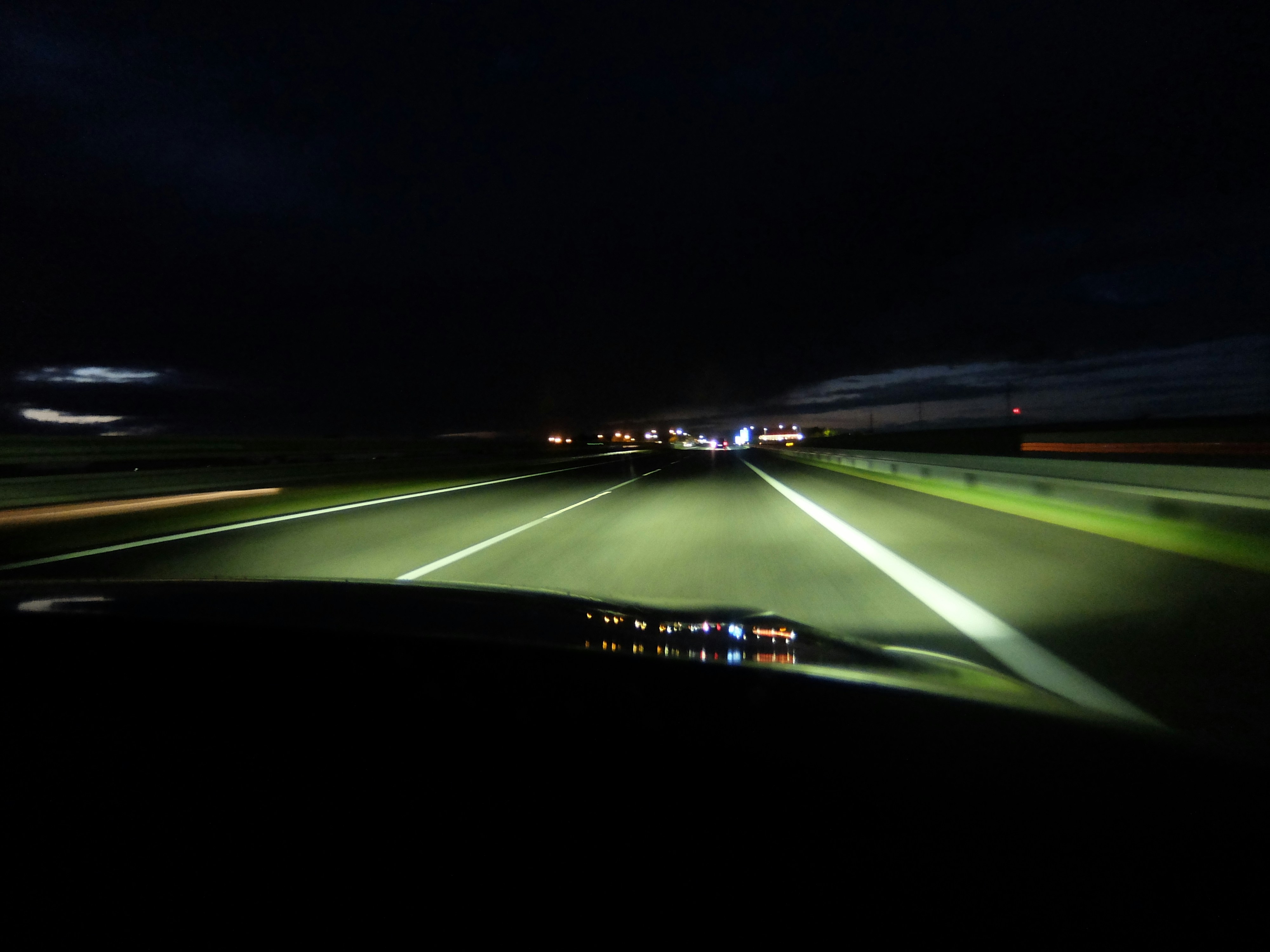
When daylight saving time ends on the first Sunday in November, clocks across New Jersey turn back one hour. While many people welcome the extra hour of sleep, fewer consider how the time change affects their evening commute. Suddenly, drivers who usually head home in daylight find themselves navigating dark roads, heavier holiday traffic, and changing visibility conditions. As holiday gatherings begin filling the calendar, these seasonal changes can also create situations that lead to a New Jersey DWI charge.
If you have been pulled over on a dark road in Burlington County and asked to step out of your car, you already know how fast a normal night can turn tense. You are thinking about your license, your job, your insurance, and what happens tomorrow. Those concerns are real, and you do not have to work through them by yourself.
If you are facing a DWI charge in New Jersey, the team at Attorneys Hartman, Chartered is here to help you understand where you stand. You can call our Moorestown office at 856-393-6073 or reach us through the online contact form on this website to talk through what happened and what comes next.
Losing An Hour Of Daylight In New Jersey: Why Does The Time Change Raise Your DWI Risk?
When daylight saving time ends, sunset arrives closer to 4:30 in the afternoon across South Jersey. Drivers who are used to leaving work in daylight suddenly face a dark, glare-filled commute. Your eyes adjust slowly, oncoming headlights feel brighter, and familiar roads look different than they did a week earlier.
The timing also lines up with the busiest social stretch of the year. Thanksgiving Eve, office parties, and early holiday celebrations all bring more people out to bars and restaurants. When those two things overlap, more drivers are on the road at night after having a drink or two.
There is another quiet factor at work. On the night the clocks change, that extra hour can turn into extra time at a gathering, and the body clock takes several days to adjust. Drowsy driving and alcohol do not mix well, and the combination can lead to the kind of small mistakes that catch an officer’s eye.
Police departments know this pattern well. Late fall and early winter often bring added patrols, sobriety checkpoints, and stepped-up enforcement around town centers and along major routes. So even a careful driver has a higher chance of being stopped once the clocks fall back.
Driving After Dark In South Jersey: What Are Officers Watching For At Night?
Darkness changes how driving looks to a police officer. A small lane correction that no one would notice at noon can stand out under streetlights at seven in the evening. Once the sun sets early, ordinary tired driving and impaired driving can look similar from a patrol car.
That is why officers on night patrol pay close attention to small details. After a stop, they often ask the driver to perform field sobriety tests and, in many cases, a breath test on the Alcotest machine. Cold weather, uneven pavement, and nerves can all make those roadside tests harder to pass, even for someone who has not been drinking.
In their reports, officers frequently point to signs such as these as the reason for a nighttime stop:
- Drifting between lanes: small movements that look worse under headlights and streetlights
- Slow or delayed braking: reacting late to a stopped car or a changing traffic light
- Driving without headlights: easy to forget when the sky turns dark earlier than your body expects
- Uneven speed: speeding up and slowing down for no clear reason
None of these observations prove that a driver is impaired. They are simply the starting point an officer uses to justify a stop, which is why the details of what happened that night matter so much later in court.
Poor Visibility And Field Sobriety Tests: Can Nighttime Conditions Be Questioned In Court?
The same early darkness that leads to more stops can also raise real questions about what an officer truly saw. Standardized field sobriety tests were designed to be performed on level, well-lit ground. A dark shoulder along Route 73 in November, with passing headlights and cold wind, is far from ideal testing conditions.
Factors like uneven pavement, freezing temperatures, loose gravel, and glare can affect how a sober person performs on the walk-and-turn or the one-leg-stand. A careful review of the stop often looks at where the tests took place, how they were explained, and whether the conditions were fair. These details can matter a great deal when the evidence is examined closely.
New Jersey DWI Penalties: What Are You Actually Facing After A First Offense?
New Jersey treats driving while intoxicated under N.J.S.A. 39:4-50. The state uses a per se limit of 0.08 percent blood alcohol concentration, which means you can be charged once your reading reaches that level, even if you feel fine to drive.
One point that surprises many people is that a DWI in New Jersey is not a criminal offense. It is a serious motor vehicle offense heard in municipal court, so there is no jury. That does not make it minor. The penalties reach into your wallet, your license, and your daily routine.
For a first DWI offense in New Jersey, penalties generally depend on your blood alcohol concentration (BAC):
- BAC of 0.08% to under 0.10%: A $250–$400 fine and a three-month ignition interlock requirement.
- BAC of 0.10% to under 0.15%: A $300–$500 fine and an ignition interlock requirement lasting seven months to one year.
- BAC of 0.15% or higher: A $300–$500 fine, a three-month loss of driving privileges following ignition interlock installation, and an ignition interlock requirement lasting an additional 12 to 15 months after license restoration.
In addition to these penalties, first-time DWI offenders generally must complete an Intoxicated Driver Resource Center (IDRC) program, which typically involves 12 hours over two consecutive days. They also face up to 30 days in jail, although imprisonment is not mandatory. Additional fees and insurance surcharges apply. Under New Jersey's updated DWI laws, qualifying drivers who voluntarily install an ignition interlock device before conviction may receive credits toward their license suspension.
Refusing The Breath Test In New Jersey: Can You Say No To The Alcotest?
Many drivers assume that refusing the breath test is the safe choice. In New Jersey, that decision carries its own consequences. Under the state implied consent law, N.J.S.A. 39:4-50.4a, drivers agree to submit to breath testing simply by using the roads.
A refusal charge is separate from the DWI itself. It can bring its own fines and its own ignition interlock requirement, and those penalties can apply even if the underlying DWI charge does not hold up. It is also worth knowing that officers are required to read a specific statement about the consequences of refusing before you decide. Whether that statement was read correctly is one more detail that can shape how a refusal charge is handled.
What To Do After A DWI Stop In South Jersey: What Are Your Next Steps?
The hours after a DWI stop feel overwhelming, but a calm and organized response protects your options. You cannot undo the stop, yet you can control how you handle everything that follows it.
A few simple steps can help as your case moves forward:
- Write down what happened: the time, location, weather, and what the officer said and did
- Keep every document: your summons, any paperwork, and your listed court date
- Watch your court date: New Jersey DWI cases move quickly through municipal court
- Speak with a lawyer early: the sooner you get guidance, the more options you may have
Acting early is the theme that ties all of these steps together. New Jersey municipal courts move on a set schedule, and some deadlines arrive faster than people expect, so the sooner you understand your case, the better prepared you will be.
DWI Enforcement Across South Jersey: Where Do These Late-Season Stops Happen?
DWI stops can happen anywhere, but certain places see more activity once the days grow short. Busy corridors like Route 38 and Route 73, along with stretches of Interstate 295 and the New Jersey Turnpike, tend to draw extra attention during the holidays.
Enforcement also increases near downtown Moorestown, throughout Camden County and Burlington County, and along the roads drivers use to reach shore towns and family gatherings. If you were stopped anywhere in this region, the same New Jersey laws and the same defense strategies apply to your case.
Frequently Asked Questions About New Jersey DWI Charges
Is A DWI A Criminal Charge In New Jersey?
No. A DWI in New Jersey is a motor vehicle offense handled in municipal court rather than a crime. Even so, it carries fines, license consequences, and an ignition interlock requirement, so it should be taken seriously.
What Is The Legal Blood Alcohol Limit In New Jersey?
The per se limit is 0.08 percent for most drivers. At or above that reading, you can be charged with DWI regardless of how you feel behind the wheel.
Can I Refuse A Breath Test After A DWI Stop?
You can refuse, but New Jersey has an implied consent law under N.J.S.A. 39:4-50.4a. A refusal is a separate charge with its own penalties, including a possible ignition interlock requirement.
Do First Time Offenders Really Need An Ignition Interlock Device?
In most cases, yes. Current New Jersey law requires an ignition interlock device even for many first offenses, with the length depending on your blood alcohol concentration.
How Soon Should I Contact A New Jersey DWI Lawyer?
As soon as you can. Early guidance gives you the most time to review the evidence, understand your deadlines, and plan a response before your municipal court date.
The End Of Daylight Saving Does Not Have To End In A Conviction
A DWI charge can feel like it defines your whole season, but it is only the beginning of a process, and you have rights at every step. The earlier you understand what you are facing, the more control you have over what happens next.
If you were arrested for a DWI anywhere in South Jersey this fall, Attorneys Hartman, Chartered is ready to listen and help you plan your next move. Call our Moorestown office at 856-393-6073 or send us a message through the online contact form on this website, and let us help you take the first step toward putting this behind you.
Disclaimer: This blog is intended for informational purposes only and does not establish an attorney-client relationship. It should not be considered as legal advice. For personalized legal assistance, please consult our team directly.