
If you or your child rides an E-Bike or motorized bicycle in New Jersey, you need to read this right now! Downloadable Checklist Included.

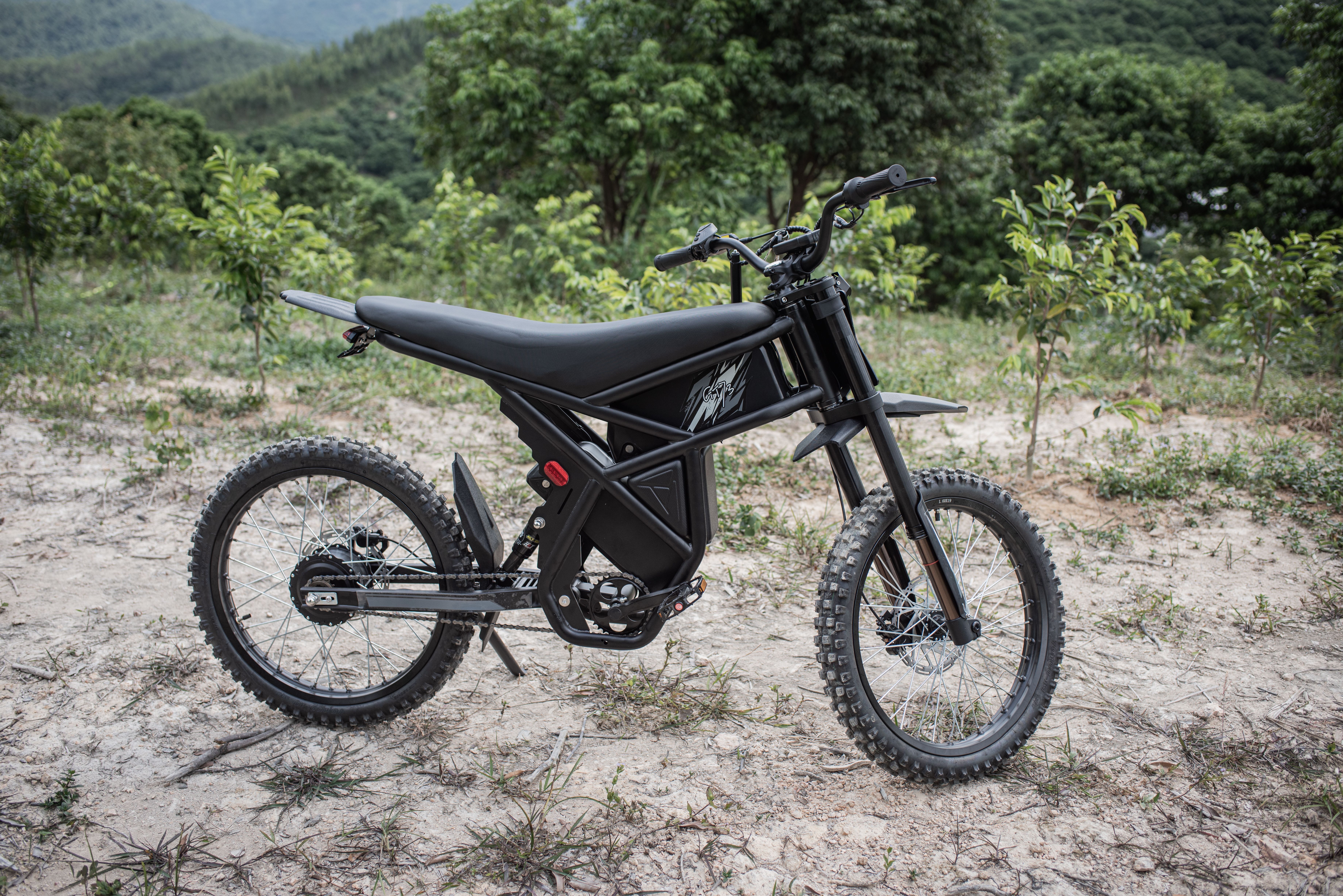
The grace period for New Jersey's new motorized bicycle law ends on July 19, 2026 - that's only nine weeks away (N.J.S.A 39:4-14.3). After that date, riding without proper licensing could mean fines, penalties, losing your right to ride, civil penalties, or even criminal charges. If you haven't started the compliance process yet, now is the time to get educated, especially if you have a teen rider in your home. Criminal and civil defense attorneys expect aggressive enforcement efforts following a series of fatal accidents in New Jersey.


Download the New Jersey E-Bike Law Compliance Checklist
Not sure if you or your child is ready for New Jersey’s July 19, 2026 E-Bike law deadline? Download our free printable checklist to make sure you complete all required compliance steps before enforcement begins.
Steps To Compliance: How New Jersey E-Bike Riders Can Prepare Before The Grace Period Ends
These are the steps that you can follow to ensure any rider is in compliance with the law before the July 19, 2026, grace period ends.
Step 1: Obtain E-Bike Insurance
- Contact your insurance provider to obtain coverage that complies with the current requirements for liability insurance (N.J. Stat. § § 39:4-14.3e).
Step 2: Register your Rider’s E-Bike
- Registration will require a registration appointment, presentation of proof of insurance, personal identification and proof of ownership of the ebike, which can be satisfied with a Manufacturer’s Certificate of Origin, or an affidavit of ownership, a manufacturer’s certificate of origin (but if not available, may accept affidavit from current ownership if it sets forth reasonable specifics as to the acquisition).
- As of May 18, 2026 E-Bike licensing services are not yet available to be scheduled yet the NJMVC Website, but you should familiarize yourself with the process and sign up for updates directly from NJMVC to stay informed. Visit NJMVC | E-bike Requirements for more information.
Step 3: Understand What Your Rider Needs
- If you rider is under the age of 15, they are prohibited from riding on public roads, no exceptions (N.J.S.A 39:4-14.3(c).
- If your rider is 15 or 16 years old, they must obtain a motorized bicycle license (See N.J.S.A 39:4-14.3(d).
- Above 17 with valid drivers license for a motor vehicle: no special license required, but must comply with all laws.
Step 4: Need an E-Bike License? Practice, Practice, Practice
- Rider must be at least 15 years old.
- Help your rider study for the knowledge test.
Step 5: Know Before You Go, Discuss Laws With Your Young Rider
General Requirements
- Review the specific new legal requirements with your rider. Visit the NJ Legislature (Statutes Database) and search 39:4-14.3, review subsections (a) through (x).
- This step is intensive. Honestly, there is a lot to know, but the time is worth the investment. These laws went into place because riders, pedestrians, and drivers have been seriously injured, sometimes fatally, as a result of accidents with electronic bikes, and the State will seek strict compliance to avoid further avoidable injuries.
Know Where You Can Ride Before You Go
- State Law says you cannot ride on interstate highways; highways with grass/concrete medians; highways with speed limits exceeding 50 mph; railroad rights-of-way (N.J.S.A 39:4-14.3(a).
- Riders must also check municipal and county rules before going. The new law permits county and local governments to restrict e-bike operation in certain locations.
- If you want to ride through town, contact your local police department non-emergency number to find out if the municipality has prohibited operation anywhere in town.
- If planning a ride through county park, call the Parks Department to find out about any restrictions.
Step 6: Get the Learners Permit
- Schedule an appointment with NJMVC for an e-bike permit.
- Pass the knowledge test and vision test.
- Schedule a Road Test.
- Practice operating the e-bike, during daylight hours, for 45 days.
- Schedule and pass the road test with NJMVC and obtain your e-bike license at an NJMVC Licensing Center.
Step 7: Every Ride Requires The Following
(Not every requirement is listed here, but major points are listed)
- Compliance with all laws governing regular and electronic bicycles (N.J.S.A 39:4-14.1).
- A helmet approved by NJMVC (N.J.S.A. § 39:4-14.3q).
- Riding on the right side of the roadway, exercising care when passing a standing vehicle or one proceeding in same direction unless making a left turn, to avoid debris, to pass a slower moving vehicle, to occupy any available lane when traveling the same speed as other traffic, to travel no more than two abreast when traffic is not impeded (N.J.S.A. § 39:4-14.2).
- Carry your valid drivers license, motorized bicycle license, insurance identification card, registration certificates (N.J. Stat. § 39:4-14.3).
- One rider per motorized bicycle (N.J. Stat. § 39:4-14.3d).
- Display license plate in accordance with R.S. 39:3-33. N.J. Stat. § 39:4-14.k.
Download the New Jersey E-Bike Law Compliance Checklist
Not sure if you or your child is ready for New Jersey’s July 19, 2026 E-Bike law deadline? Download our free printable checklist to make sure you complete all required compliance steps before enforcement begins.
New Jersey E-Bike Law Penalties: What Riders Should Know Before They Ride
- Violations can lead to fines and even jail time: N.J.S.A. 39:4-13b permits fines up to $200 or imprisonment up to fifteen days, or both.
- Don’t Ride If You are Intoxicated: If you operate your E-bike under the influence of drugs or alcohol, you can be charged with driving while intoxicated the same as if you were operating a regular motor vehicle (N.J.S.A. § 39:4-14.3g). New Jersey laws prohibiting the operation of motor vehicles while intoxicated are serious, harsh penalties, under the best circumstance. Even if no is harmed by your intoxicated riding, you will be prosecuted.
- Accident Reporting: Under N.J. Stat. § 39:4-14.3f, an electric bike rider involved in an accident must adhere to the provisions of Article 15 of Chapter 4 of Title 39 of the Revised Statutes, which governs accidents and N.J.S.A. § 39:4-129 (Action in Case of accident): In all scenarios, a driver knowingly involved in an accident should immediately stop the vehicle as close as possible to the accident location, subject to safety and roadway conditions without obstructing traffic more than necessary, give his name and address to the other driver, including presenting his operator’s license, registration certificate to the person injured or any police officer or witness of the accident, render reasonable assistance to any injured person, and notify law enforcement.
Traffic Stops Under New Jersey E-Bike Law: What Riders Should Do If Police Pull Them Over
If a law enforcement officer wants you to pull over, they should generally pulls behind you, activates his overhead lights, siren, or intercom. If that happens:
- Do Not Run: Eluding arrest can result in second degree charges, with five to ten years in state prison.
- Pull over as soon as it is safe to do so.
- Keep your hands on the handlebars and wait to receive instructions from the law enforcement officer. Do not reach into a bag for identification, materials or other things until instructed to do so.
- Be polite and courteous, cooperate with the officer.
New Jersey E-Bike Law Questions: Contact Attorneys Hartman, Charted Today
Whether it be a registration question, traffic citation, riding while intoxicated, or serious accidents that result in criminal charges, Attorneys Hartman Chartered has the experience you can trust. Contact us today.
Disclaimer: This blog is intended for informational purposes only and does not establish an attorney-client relationship. It should not be considered as legal advice. For personalized legal assistance, please consult our team directly.